
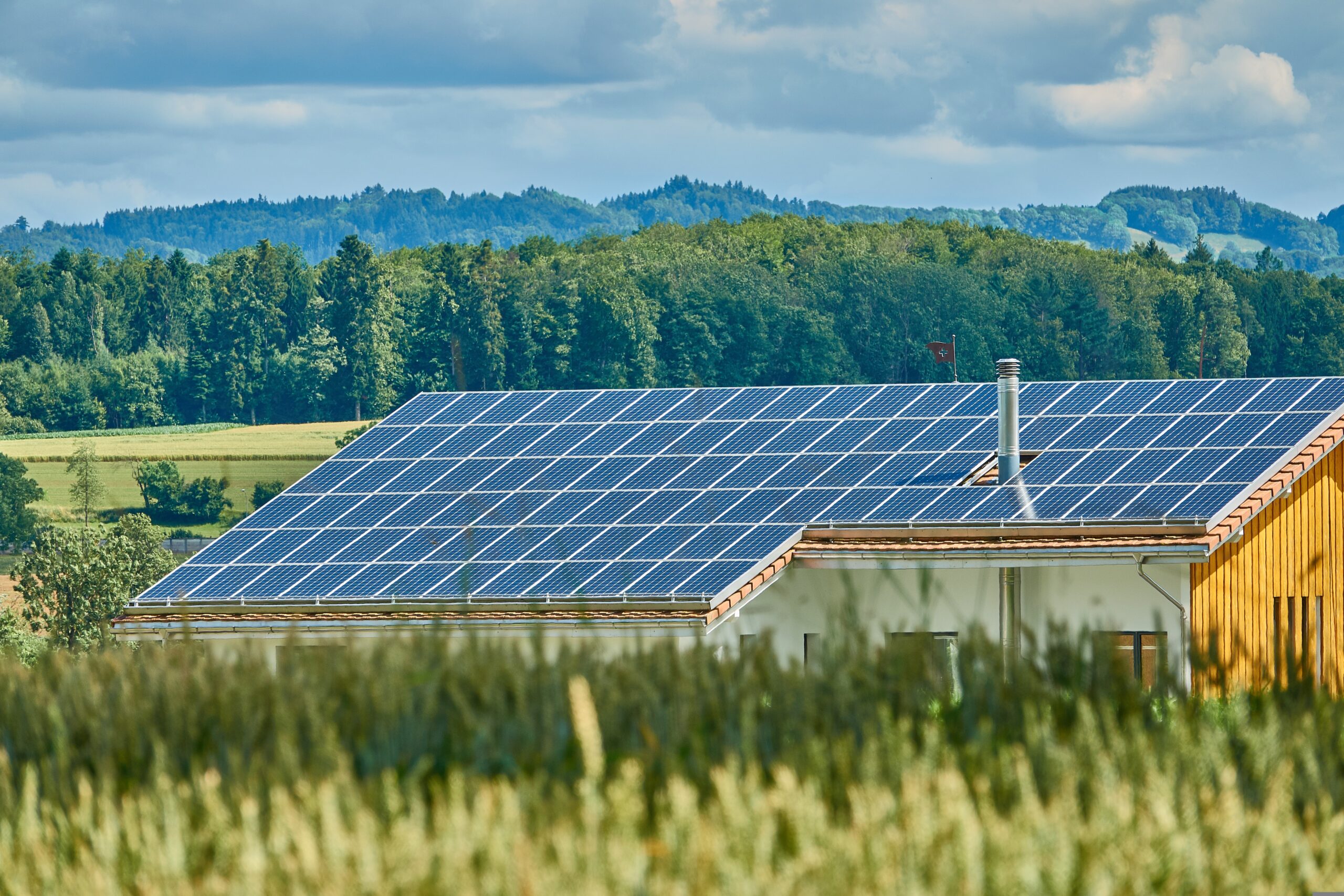
Solar Thermal vs Solar Photovoltaic : Which One Is Actually Right for You ?
You’ve decided to go solar. Great move. But then you start digging into it and realise there are actually two very different technologies hiding under that same “solar” umbrella – and suddenly it’s not so simple anymore.
Solar thermal. Solar photovoltaic. Both use the sun. Both sit on your roof. And yet they do completely different things. If you’re trying to figure out which one makes sense for your home, you’re in the right place.
First, What’s the Actual Difference ?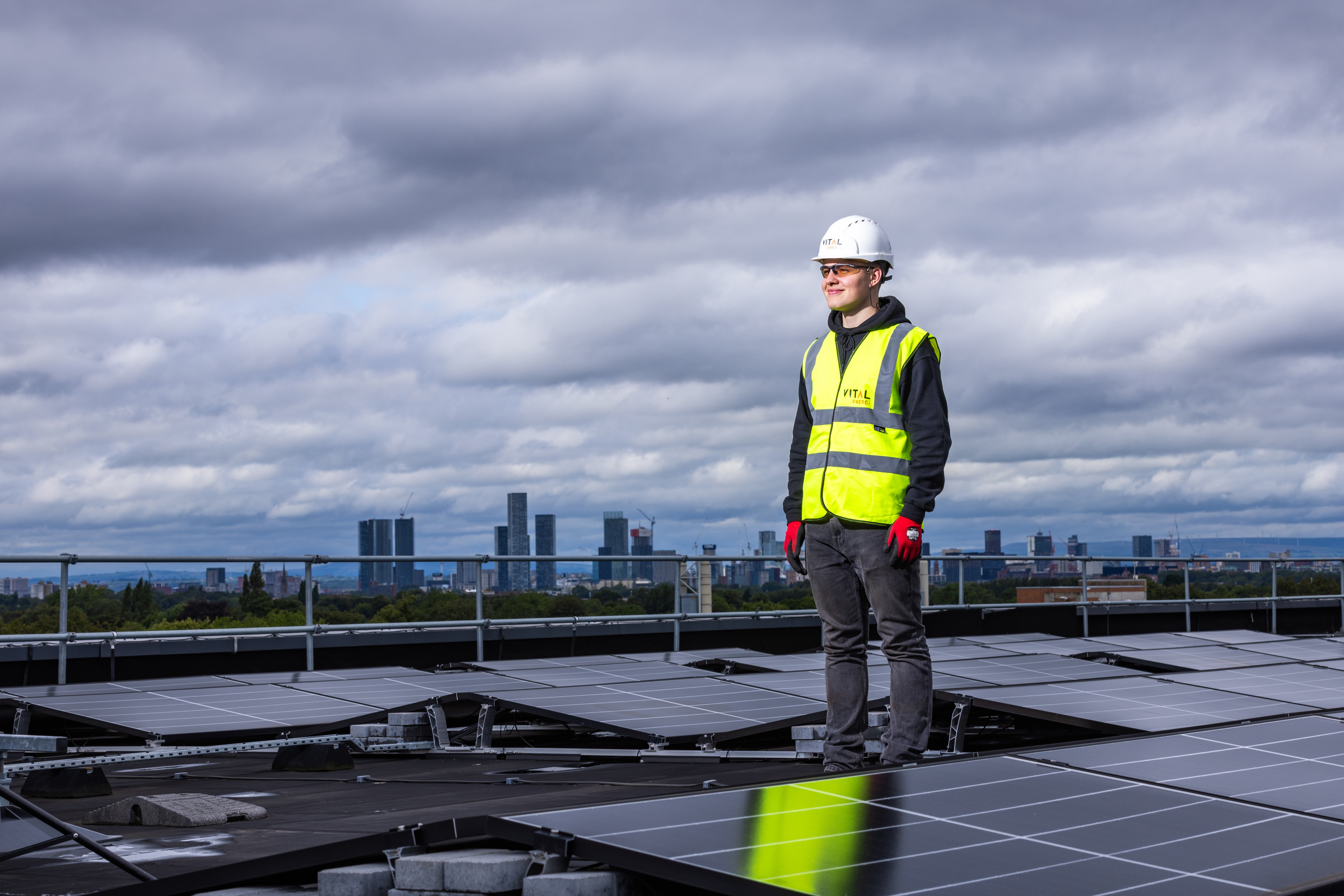

Here’s the thing that surprises a lot of people : solar thermal doesn’t produce electricity at all. Not a single watt. What it does is capture heat from the sun and use it – almost always – to heat your domestic hot water, sometimes to support your central heating too. If you want to go deeper on heating systems and how they interact with renewable energy, climataire.com is a solid resource worth bookmarking.
Solar photovoltaic (PV), on the other hand, converts sunlight directly into electricity. That electricity can power your kettle, your washing machine, your lights, your EV charger. You can use it live, store it in a battery, or export the surplus to the grid.
Same sun. Completely different output. That’s the key distinction, and honestly, once you get that, the rest starts to fall into place.
Solar Thermal : The Underrated Option for Hot Water
Solar thermal panels – sometimes called solar collectors – work by circulating a fluid through tubes exposed to sunlight. That fluid heats up, transfers its energy to your hot water cylinder, and that’s more or less it. Simple, reliable, effective.
A standard domestic solar thermal system in the UK can cover around 50 to 60% of your annual hot water needs. In summer ? Easily 90% or more. In January, not so much – you’ll still need your boiler or heat pump to top things up. But that’s fine, that’s expected.
The costs are reasonable too. A full installation typically runs between £3,000 and £5,000 depending on your roof, your existing cylinder setup, and the type of collector you choose (flat plate or evacuated tube – the latter being more efficient but pricier).
Frankly, I think solar thermal gets overlooked too often. It’s not glamorous. It doesn’t feed into the smart home revolution. But if your biggest energy cost is heating water – and for a lot of families, it genuinely is – it does the job quietly and efficiently for 20-plus years.
Is your household using a lot of hot water ? A family of four, maybe five ? Solar thermal starts to look very interesting.
Solar PV: The One Everyone’s Talking About
Solar PV has had a moment. Actually, it’s had about a decade of moments. Prices have dropped dramatically – we’re talking roughly 90% cheaper than in 2010 – and the technology has matured a lot.
A typical domestic PV system in the UK is between 3.5 kWp and 6 kWp. That might generate somewhere between 3,000 and 5,500 kWh per year, depending on your location and roof orientation. South-facing roofs at a 30-35° pitch ? Ideal. East or west ? You lose some, but it’s still worth it in most cases. North-facing ? That’s when it starts to feel like you’re fighting the sun rather than working with it.
The cost now sits at roughly £5,000 to £9,000 installed for a typical system, with battery storage adding another £2,500 to £5,000 on top if you want it. The payback period varies – usually somewhere between 8 and 14 years – but with energy prices where they are right now, the numbers have shifted quite a bit in favour of PV.
And the flexibility is real. Electricity can do almost anything. Heat water (with a diverter), charge a car, run appliances. There’s something satisfying about watching your meter run backwards on a sunny afternoon in May.
Can You Have Both ?
Yes. You can. And some people do. But it’s worth being honest here – combining both systems on the same roof is not always practical. Space is limited. Budget is limited. And in many cases, one system covers your needs well enough that adding the other gives diminishing returns.
The more common hybrid approach these days is solar PV paired with a hot water diverter (like an iBoost or Eddi). Instead of exporting surplus electricity to the grid for a few pence per unit, the diverter redirects it into your immersion heater. Effectively, you get the benefit of solar thermal – free hot water – without a separate system. It’s not quite as efficient as dedicated solar thermal, but it simplifies the installation considerably.
So Which One Should You Choose ?
There’s no universal answer, but here’s a rough guide :
Go for solar thermal if :
Your main goal is cutting your hot water bills
You have a traditional hot water cylinder (or are willing to install one)
Your budget is tighter and you want a focused, cost-effective solution
You use a lot of hot water consistently throughout the year
Go for solar PV if :
You want to reduce your overall electricity bill
You’re interested in battery storage or an EV charger
You want flexibility – electricity can cover many needs
You’re thinking long-term and want the option to export to the grid
Consider PV + diverter if :
You want both electricity generation and free hot water from one system
You have limited roof space
You’d rather keep the installation simple
A Few Things Worth Knowing Before You Commit
Roof condition matters more than people think. Both systems add weight and fixings to your roof. If your roof needs work, sort that first – it’s much cheaper before the panels go on than after.
Planning permission is usually not required for either system in the UK, as long as you’re not in a listed building or conservation area. But worth checking with your local authority just to be sure.
Maintenance is minimal for both. Solar PV systems are essentially passive – an annual check and an occasional clean is usually all it takes. Solar thermal has a fluid circuit that needs checking every few years, but it’s not a big deal.
And finally – get at least two or three quotes. Not because installers can’t be trusted, but because the variation in system design, component quality and price can be quite significant. A good installer will survey your roof, assess your usage patterns, and recommend the right system for your situation. If they’re pushing you towards the most expensive option without asking any questions about how you actually use energy at home, that’s a red flag.
Bottom Line
Solar thermal and solar PV are not competitors. They’re just different tools for different jobs. The right one for you depends on what you’re trying to solve – whether that’s hot water costs, electricity bills, or both.
Take the time to understand your own energy usage first. What costs you the most ? Where does most of your energy go ? Once you know that, the choice between thermal and PV becomes a lot clearer.
And if you’re still unsure, there’s no harm in asking a specialist. The technology is good. The savings are real. You just need to pick the right starting point.